The Art of Traditional Indian Curries: Spice, Technique, and Balance
When people talk about Indian food, the first thing that often comes to mind is curry. But curry is not a single dish. It is a whole category of cooking that spans regions, families, and centuries. The phrase "traditional indian curries" covers a vast landscape of flavors, from the coconut-laced coastal curries of Kerala to the rich, slow-cooked gravies of Lucknow. Understanding what makes a curry traditional means looking beyond the takeaway menu and into the actual methods and ingredients that define these dishes.
Many home cooks and restaurant chefs alike debate what qualifies as authentic. The truth is that traditions evolve, and what was considered traditional fifty years ago might look different today. But certain principles remain constant. A traditional Indian curry relies on whole spices toasted and ground fresh, on patience during cooking, and on a deep understanding of how heat and time transform raw ingredients into something layered and complex.
What Defines a Traditional Indian Curry?
At its core, a traditional Indian curry is a sauce-based dish built from a foundation of aromatics, spices, and a liquid component. The base usually starts with onions cooked down until deeply caramelized. Ginger and garlic paste follows, then a blend of ground spices. Tomatoes, yogurt, or coconut milk provide the body. The protein or vegetables are added and simmered until tender. This sequence is not rigid, but it is a pattern you see across most regional cuisines in India.
The spice blend, or masala, is the soul of the dish. Unlike pre-mixed curry powders you buy in a jar, traditional cooking often involves toasting whole spices like cumin, coriander, cardamom, cloves, and cinnamon in a dry pan before grinding them. This releases essential oils that pre-ground spices lose over time. The result is a more vibrant, aromatic curry that hits your nose before it hits your tongue.
The Role of Regional Variation
India is a large country with dramatically different climates and agricultural products. Northern curries tend to be richer, using dairy like cream or yogurt as a base. Dishes like butter chicken or rogan josh come from this region. Southern curries rely more on coconut, tamarind, and curry leaves. A fish curry from Goa will taste completely different from a paneer curry from Punjab. Both are traditional, but they reflect the ingredients available locally and the cultural influences that shaped them.
In the eastern states, mustard oil and panch phoron (a five-spice blend) dominate. In the west, peanuts and sesame seeds often thicken curries. The diversity is staggering, and it is one reason why the category of "traditional indian curries" remains so exciting to explore. There is no single recipe that represents all of India. Instead, there are hundreds of micro-traditions, each with its own logic and history.
Techniques That Separate the Good from the Great
One of the most important techniques in traditional Indian curry cooking is tempering, or tadka. This involves heating oil or ghee and adding whole spices, often mustard seeds, cumin seeds, dried red chilies, and curry leaves, until they crackle and release their aroma. The tempered oil is then poured over the finished dish or used as a base. This step adds a final layer of fragrance and flavor that cannot be achieved by simply stirring spices into the pot.
Another key technique is the slow cooking of onions. Many recipes call for cooking onions until they are dark brown, almost caramelized. This takes time, often twenty to thirty minutes over medium heat. Rushing this step results in a curry that tastes flat. The browning of the onions adds sweetness and depth that balances the heat of the chilies and the bitterness of certain spices.
Patience also matters when cooking the spices. After adding the ground masala to the onion base, it is common to cook the mixture until the oil separates from the paste. This indicates that the spices have cooked through and their raw flavor has mellowed. Skipping this step leaves a harsh, dusty taste in the final dish. Good curry cooks watch for that telltale sheen of oil on the surface before adding any liquid.
Common Misconceptions About Indian Curries
One of the biggest misconceptions is that all Indian curries are fiery hot. In reality, heat levels vary widely. Some curries are mild and aromatic, relying on cardamom, cinnamon, and cream. Others use green chilies or dried red chilies for heat, but the spiciness is usually balanced by other flavors. The goal is never just to make something hot. It is to create a harmony where no single spice overwhelms the others.
Another myth is that traditional Indian curries are complicated and require a long list of hard-to-find ingredients. While some dishes do call for many spices, many everyday curries use just a handful. A simple dal curry might only need cumin, turmeric, and a pinch of asafoetida. A potato curry could rely on mustard seeds, curry leaves, and dried chilies. The complexity comes from how these ingredients are handled, not from how many there are.
How to Approach Cooking Traditional Indian Curries at Home
If you want to cook traditional Indian curries at home, start with a few basic principles. Invest in whole spices and a small spice grinder or mortar and pestle. Toast the spices lightly before grinding. Use fresh ginger and garlic. Do not skip the step of cooking the onion base thoroughly. And taste as you go. Adjust salt, acid, and heat incrementally. Curry cooking is more about feel than exact measurements.

A good starting point is a simple chickpea curry, or chana masala. It uses common spices, comes together relatively quickly, and teaches you the basic sequence of building a curry. Once you are comfortable with that, try a chicken curry using yogurt as a marinade and base. That dish will teach you about balancing dairy with acid and spice. From there, you can explore regional specialties like Kerala-style fish curry or a slow-cooked lamb rogan josh.
One thing to keep in mind is that restaurant curries often differ from home-cooked ones. Restaurants may use more oil, cream, or butter to achieve a rich mouthfeel. They also often rely on base gravies prepared in bulk. Home cooking can be lighter and more focused on the specific flavors of the dish. Both approaches have their place, but understanding the difference helps you adjust recipes to your own taste.
The Importance of Freshness and Quality
Freshness of spices is a factor that cannot be overstated. Spices that have sat in a cupboard for two years will not produce the same result as freshly bought ones. If possible, buy spices from a store with high turnover. Smell them before you buy. They should be pungent and fragrant, not dusty. Whole spices last longer than ground, so grinding your own just before cooking is ideal.
Quality of ingredients matters too. Good ghee, fresh yogurt, and ripe tomatoes all contribute to a better final dish. If you are using meat, choose cuts that benefit from slow cooking, like shoulder or thigh. These cuts become tender and flavorful when simmered in a spiced gravy. For vegetarian curries, use vegetables that hold their shape, like cauliflower, potatoes, or okra, and cook them just until tender.
One of the pleasures of traditional Indian curries is how well they keep. Many curries taste even better the next day after the flavors have had time to meld. This makes them excellent for meal prep or for cooking in larger batches. Just be careful when reheating to do it gently, as high heat can cause dairy-based curries to separate.
Pairing and Serving Suggestions
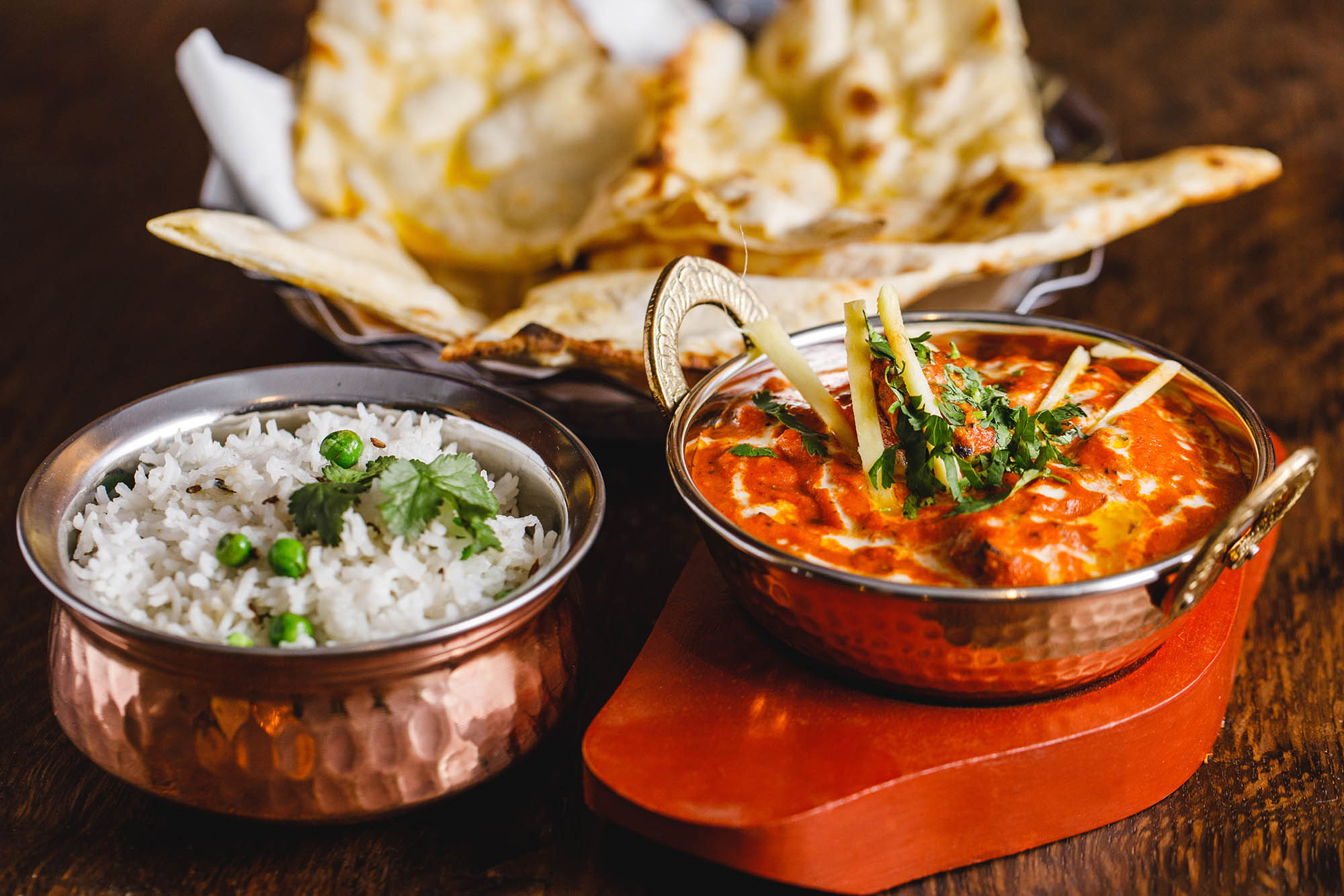
A traditional Indian curry is rarely eaten alone. It is usually served with rice, bread, or both. Basmati rice is the classic choice for many northern dishes, while southern curries often pair well with steamed rice or fermented rice cakes like idli. Flatbreads like naan, roti, or paratha are also common. Each bread has a different texture and richness, so choose based on the curry. A rich, creamy curry works well with a soft, buttery naan. A lighter, drier curry might be better with a whole-wheat roti.
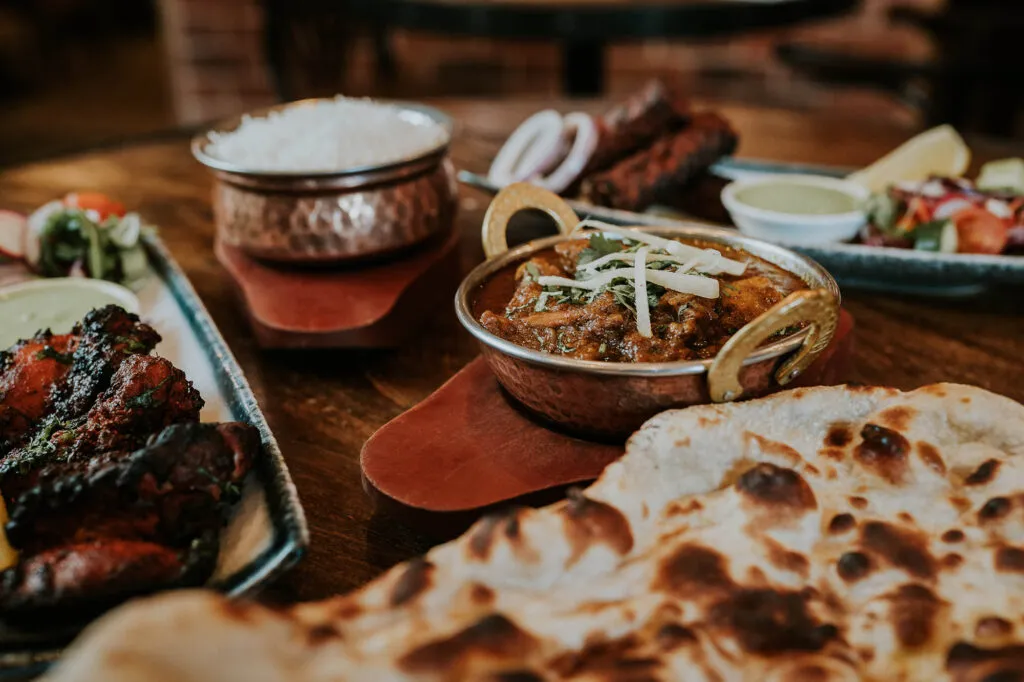
Accompaniments like raita (yogurt with cucumber or mint), pickles, and papadums add contrast and freshness. A spoonful of tangy pickle can cut through the richness of a heavy curry. A cool raita balances the heat. These small additions make the meal more complete and satisfying.
Where to Experience Traditional Indian Curries
If you are looking to taste well-made traditional Indian curries without cooking them yourself, there are places that take the craft seriously. Smokey Barrels, located at 1741 Coventry Rd, Birmingham B26 1DS, UK, is one such spot. The kitchen there is built around a clay tandoor, and they serve a range of curries alongside grilled meats and vegetarian dishes. It is a straightforward Indian restaurant and sports bar that also shows live football and other sports on big screens. You can call them at +44 121 764 5519 for more details. The menu is halal, and they offer free parking and a beer garden, making it a convenient stop if you are near the airport or the NEC.
Connect with us on LinkedIn.